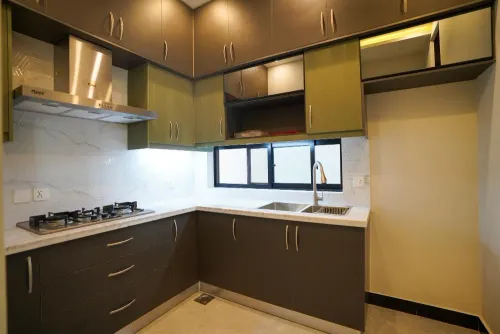
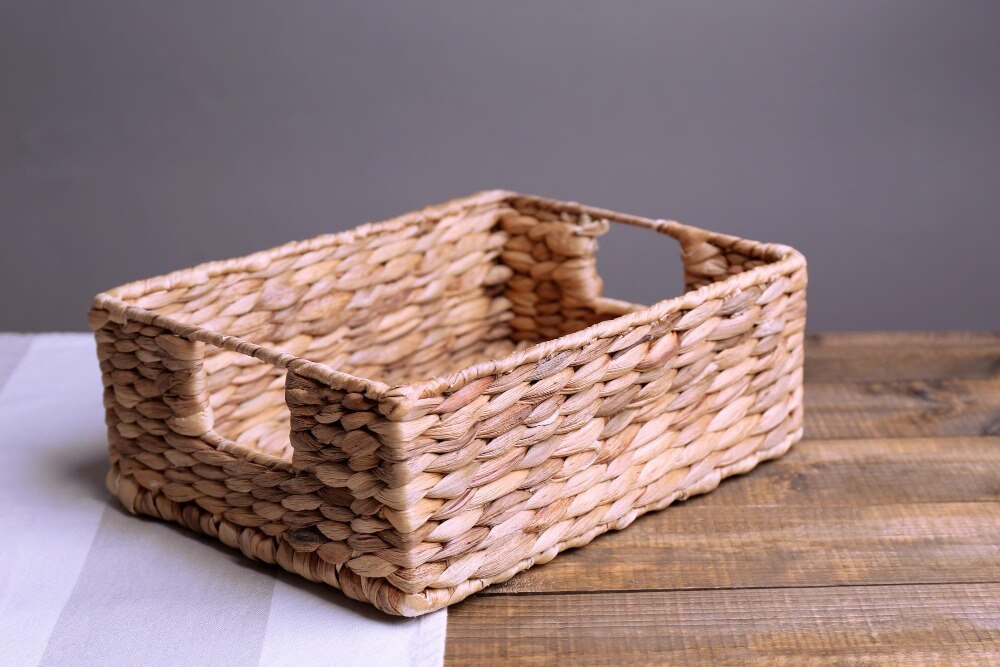
Humidity, monsoon moisture, cabinet clearances, and cooking habits determine whether wicker is a practical storage choice or a decorative nuisance. You will be able to identify suitable contents, compare wicker with harder-wearing alternatives, and check whether your cabinet and installation can support it.
Key takeaways
- Use wicker for light, dry, portable kitchen storage.
- Avoid natural wicker in damp cabinets or beside sinks.
- Check cabinet width, depth, height, hinges, and load capacity first.
- Choose synthetic resin when moisture resistance matters more than appearance.
When Wicker Works in a Thane Kitchen—and When It Does Not
A wicker basket benefits kitchen in Thane homes only when it stays dry, ventilated, and lightly loaded. “Wicker” describes a weaving method, not one material. Natural cane, rattan, bamboo, paper fibre, plastic, and synthetic resin differ in moisture resistance, cleaning needs, and lifespan.
Thane’s humid monsoon makes unfinished natural wicker risky beside a sink or dishwasher. Damp fibres can hold mould, odour, crumbs, and pests; a tightly packed basket also hides leaks. Keep it in a pantry cabinet, open shelf, or breakfast-storage area, and wipe it according to its material before drying it completely.
A kitchen storage basket in Thane made from washable polypropylene or synthetic resin handles damp air better, but it still needs ventilation and prompt cleaning.
| Material | Practical fit | Main warning |
|---|---|---|
| Natural cane, rattan, or bamboo | Dry pantry and open-shelf storage | Absorbs moisture; mould can develop during monsoon |
| Paper fibre | Very dry, occasional-use storage | Warps and weakens when damp |
| Plastic | Easy-clean storage for light items | Traps odour if closed while wet |
| Synthetic resin | More moisture-tolerant basket styling | Clean spills; do not assume food-safe finish |
Suitable contents include onions, potatoes, garlic, packaged dry goods, towels, and lightweight serving items. Avoid these uses:
- Washed produce, wet vegetables, leaking packets, oil bottles, cleaning chemicals, and heavy cookware
- Direct food-contact storage unless the manufacturer specifies a food-safe finish
Loose weaving also lets crumbs and small spills reach the cabinet below, so wicker is not a substitute for a washable bin where leaks are routine.
Wicker Versus Metal, Plastic, Cane, and Pull-Out Storage
Value depends on your routine, not the basket’s appearance. A removable wicker basket earns its space when you carry light, dry items out as one group; a drawer, washable plastic bin, or metal pull-out wins for leaks, heavy loads, and wet cleaning.
| Option | Moisture and cleaning | Spills, visibility, portability, load, appearance |
|---|---|---|
| Natural wicker | Avoid standing water; brush and spot-clean only | No spill containment; visible, portable, light-load, warm appearance |
| Synthetic wicker | Handles damp better; wash and dry it | Limited containment; visible, portable, light-to-medium load, woven look |
| Cane basket | Dry storage only; difficult to sanitise between woven strips | No leak control; visible, portable, light-load, natural appearance |
| 304 stainless-steel wire | Wipe and dry; more corrosion-resistant than 201 | Open visibility, poor spill containment, moderate portability, high load, durable finish |
| 201 stainless-steel wire | Wipe and dry; salts and harsh chemicals accelerate corrosion | Open visibility, poor containment, moderate load, lower corrosion resistance |
| Powder-coated metal | Damp-tolerant; clean chips before rust spreads | Better structure, moderate visibility, high load, durable colour finish |
| Plastic bin or pull-out trolley | Washable and best for wet cleaning | Contains leaks, hides less in clear plastic, limited portability, high capacity, utilitarian appearance |
Both stainless-steel grades need drying and protection from salts, bleach, and harsh chemicals. A kitchen storage basket in Thane is more practical in synthetic wicker or polypropylene away from splash zones.
Choose wicker for onions, garlic, packaged dry goods, towels, or lightweight serving items. Choose plastic for washed produce and leaking packets; choose a metal pull-out or drawer for oil bottles, heavy cookware, cleaning chemicals, and maximum capacity.
The wicker basket benefits kitchen planning in Thane when grouped portability and visual warmth matter more than wash-down cleaning.
How to Check Whether Your Cabinet Can Take a Wicker Basket
Measure the finished cabinet, not its nominal width, before buying a wicker basket cabinet organizer. Record:
- Clear opening width and height, internal width, depth, and height
- Shelf thickness and the usable cabinet floor
- Door swing, hinge movement, and front-frame obstructions
- Drawer runners, plumbing, and ventilation gaps
| Basket type | How it sits | What must be checked |
|---|---|---|
| Freestanding basket | Rests on the cabinet floor or shelf | Opening, floor strength, door and hinge clearance |
| Removable shelf basket | Sits on a shelf and lifts out | Shelf thickness, shelf depth, and removal path |
| Pull-out basket | Slides on runners or a frame | Level floor, fixing points, runner clearance, and load rating |
| Basket fixed to cabinet hardware | Bolts to a frame or runners | Sound fixing material, hardware rating, and complete external size |
Advertised basket dimensions are insufficient because handles, runners, frame edges, and weave irregularities add to the actual size. The basket must pass through the finished clear opening, then leave enough space for the door to close.
Cut cardboard to the proposed basket’s external width, depth, and height. Place it inside the cabinet and move it through the opening. This mock-up exposes hinge strikes, front-frame catches, door-closing problems, plumbing conflicts, and a basket that cannot be removed without dismantling hardware.
A fixed or pull-out design also needs a stable cabinet floor; overloading a decorative basket can distort its base.
What Safe Custom Kitchen Basket Fitting Involves
Safe custom kitchen basket fitting starts with the cabinet, not the basket’s appearance. A wicker basket cabinet organizer must fit the finished clear opening and operate without striking a hinge, shelf, door, drawer front, sink trap, or plumbing.
1. Measure the cabinet’s clear opening, internal width, depth, height, shelf thickness, cabinet floor, and front-frame obstructions. Record the door swing, hinge movement, drawer hardware, plumbing, and the route needed to remove the basket.
2. Select the basket, frame, runners, and fixing points as one system. Calculate the basket’s actual external size, including handles, runners, and any attached door or drawer front; the advertised basket dimensions alone are insufficient.
3. Confirm every clearance before drilling. Check that the door closes, the basket clears hinges and shelves, runners travel fully, plumbing remains accessible, and the loaded basket can still be removed through the opening.
4. Install a level, stable base. An uneven cabinet floor makes runners bind and lets a freestanding basket rock during use.
5. Secure the frame to sound cabinet material, not a loose back panel, thin decorative trim, or damaged shelf edge. Use fixing points that match the cabinet construction.
6. Check that the runners, frame, and fasteners carry the intended load. A decorative wicker base can distort even when the cabinet itself remains sound.
7. Test the basket empty, then loaded with its planned contents. Open, close, pull out, and remove it before handover.
For a modular kitchen installation in Thane, Grace Modular Kitchen & Interior can confirm these measurements, hardware ratings, clearances, and load tests instead of assuming a decorative basket will fit.
Related product
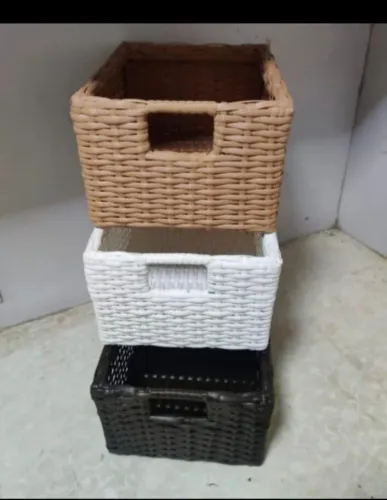
 | WICKER BASKET ₹7000 Wicker baskets are a practical and elegant storage solution for Grace Modular Kitchen, combining natural charm with everyday functionality. View product → |
The Practical Verdict: Choose Wicker for Light, Dry, Portable Storage
A wicker basket is worth adding only if its contents are light, dry, and easy to inspect; it sits away from sinks, dishwashers, and repeated splashes; the cabinet has ventilation and enough clearance; and you will empty crumbs, wipe the basket according to its material, and dry damp items promptly.
That is the practical test for deciding is a wicker basket worth adding to a kitchen in thane.
| Option | Strength | Poor fit |
|---|---|---|
| Natural wicker or cane | Light, portable, warm appearance | Wet storage, spills, heavy loads |
| Synthetic wicker or polypropylene | Easier wiping and better damp tolerance | Trapped odours without ventilation |
| Stainless-steel pull-out | High capacity, visible, washable | Fixed installation and higher cost |
| Plastic bin | Spill containment and simple cleaning | Less decorative and less portable |
Choose wicker when you want to carry onions, packets, towels, or lightweight serving items out as one grouped load. It offers good value when portability, quick visual access, and visual warmth matter.
Choose a drawer, washable plastic bin, or metal pull-out when you need spill containment, high load-bearing, wash-down cleaning, pest protection, or daily wet storage. Wicker’s open weave lets crumbs and leaks reach the cabinet below.
Before buying, check:
- Material and moisture resistance
- Food-contact claims and finish
- Stated load rating
- External dimensions, including handles
- Washable construction
- Replacement access for liners or the basket itself
Frequently asked questions
When does a wicker basket work in a Thane kitchen?
Wicker works for light, dry, ventilated storage, such as napkins, packets, and rarely used serving items. It is a poor choice for wet utensils, leaking containers, or damp cabinets.
How does wicker compare with metal, plastic, cane, and pull-out storage?
Wicker is lighter and more portable than metal or pull-out storage, while plastic is easier to wash. Cane is a natural woven material rather than a separate storage mechanism, and synthetic resin handles moisture better than natural fibres.
How can you check whether a cabinet can take a wicker basket?
Measure the cabinet’s clear width, depth, and height, then check the door hinges, shelf supports, ventilation, and the basket’s loaded weight. Leave enough clearance for removal and cleaning.
What does safe custom kitchen basket fitting involve?
Custom kitchen basket fitting involves matching the basket and hardware to the cabinet’s internal measurements, securing the mounting points, checking door and shelf clearance, and testing the loaded basket before regular use.
Keywords