
A finished installation is not complete when the cabinets are fixed to the wall. You need a documented handover, a practical warranty, a clear service route and a way to separate installer faults from leakage, appliance, civil-work and building-related problems.
Key takeaways
- Record cabinet alignment, appliance connections, damage and missing items before acceptance.
- Obtain warranty coverage, exclusions, response times and service charges in writing.
- Use adjustment screws for minor alignment issues; leave electrical and plumbing faults to professionals.
- Document renovation defects separately from manufacturing faults before requesting repairs.
What should the installation handover and first-week inspection cover?
Before signing acceptance or paying the balance, confirm that the kitchen is complete, aligned, safe to use and ready for future service. A modular kitchen manufacturer in Thane should provide this record in writing, not rely on verbal approval or a delivery note listing only materials.
1. Test every shutter, drawer, tandem, basket, lift-up fitting, handle, light, socket, appliance connection and sink drain under realistic use. Check uneven gaps, rubbing shutters, loose handles, abnormal drawer movement, chipped panels, missing accessories, unfinished edge-banding and incomplete silicone.
2. Inspect countertop joints, sink connections and the cabinet below the sink for leakage or dampness. Look for wall dampness and water collecting at floor level; record meter readings or leakage checks where relevant.
3. Confirm that plumbing and electrical coordination is complete. Water shut-off valves, electrical isolators, gas connections and appliance service points must remain accessible, or a minor repair could require cabinet removal.
4. Photograph concealed plumbing and electrical routes before cabinets close. Request appliance cut-out dimensions, ventilation requirements, hardware adjustment points and load limits.
5. Ask for a signed snagging record listing each defect, its location, photographs, responsible party and expected closure date. Sign acceptance only when every item is closed, assigned a dated remedy or expressly excluded; this record establishes responsibility during the first-week inspection and later service visits.
What warranty and service commitment should you obtain in writing?
Before releasing the balance, make the warranty a component-by-component document, not a promise of “after-sales support.” A modular kitchen dealer may sell products made by different parties, so identify the legal entity responsible for each remedy.
1. Ask the modular kitchen dealer or modular kitchen manufacturer in Thane to state the warranty period and coverage for carcasses, shutters, hinges, drawer channels, baskets, countertops, sinks, appliances and plumbing connections. Record separate treatment for manufacturing defects, installation defects, normal wear, water leakage, seepage, misuse and third-party work.
Reject “lifetime warranty” wording unless its exclusions and claim procedure are attached.
2. Confirm whether labour, transport, inspection, dismantling, reinstallation and replacement parts are included. Ask what each service visit costs after the warranty expires, and whether the dealer, factory or installation subcontractor legally provides the remedy. When assessing Grace Modular Kitchen & Interior, obtain these terms before final payment rather than relying on a verbal commitment.
3. Require a service policy with the complaint contact, ticket number, acknowledgement time, inspection date, diagnosis, replacement approval and completion date. Your complaint should include the invoice number, installation date, photographs, cabinet location and precise fault description.
4. Ask what happens if a shutter, panel or hardware item is discontinued. The document should specify an equivalent replacement, finish-matching limits and who pays the labour when visible parts do not match. Record every promise in the invoice, contract or signed warranty schedule.
Related product
 | Modular Kitchen ₹100000 Services from Grace Interior in Thane Grace Interior in Thane has emerged as a trusted name in home interiors, especially for its high-quality... View product → |
Which maintenance and adjustments can you handle yourself?
Routine care prevents small alignment and moisture problems from becoming replacement claims. Wipe laminate, acrylic and PVC panels with a soft damp cloth, then dry them. Avoid abrasive pads, bleach and solvent-based cleaners. Keep countertop joints dry and remove standing water around the sink.
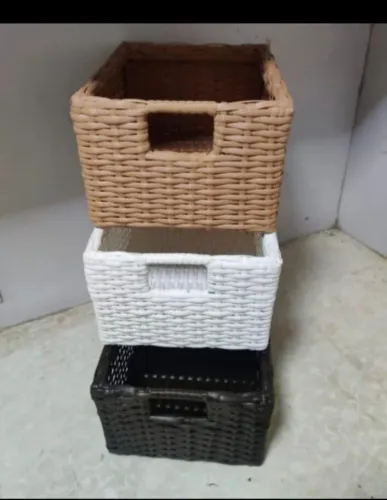
After every suspected leak, clean the sink strainer, inspect the trap and check the cabinet bottom. Do not overload wicker baskets, drawer channels or lift-up fittings beyond the hardware maker’s stated limit.
| Task | You can handle it | Stop and request a technician |
|---|---|---|
| Loose handle or missing screw | Tighten the handle or fit a replacement of the same size | Stop if the fixing point is damaged |
| Drawer care | Clean the runner without dismantling the cabinet | Stop if the runner is bent |
| Fitting adjustment | Use the identified hinge or runner adjustment screw | Stop if a shutter sags or rubs after adjustment, a soft-close hinge needs replacement, a lift-up mechanism loses control or a countertop joint opens |
Record the cabinet location and photograph the issue before adjusting anything. Do not drill near concealed water pipes, electrical cables or gas lines. Ask the customised furniture manufacturer to mark adjustment screws and permitted loads in the handover; appliance installation, repeated loading and building settlement can require later realignment.
How do you separate a manufacturer fault from renovation or building work?
Trace the source before assigning responsibility. A chipped shutter, failed edge band, defective hinge or installation-caused misalignment belongs in the manufacturer or installer service record; water exposure, electrical faults and building changes follow different routes.
1. Record cabinet defects with photographs, location and date. A swollen bottom from a leaking tap, drain, dishwasher hose, wall seepage or floor-level water is a plumbing or moisture event unless the panel failed without exposure.
A socket fault, appliance connection, gas-pipe movement, changed tile or damaged cable belongs to the electrical, appliance or civil-work contractor.
2. Before closing walls or cabinets, photograph concealed plumbing and electrical routes. Keep plumbing, electrical and appliance invoices so a later leak or connection fault does not become an avoidable dismantling dispute.
3. During a kitchen renovation, a customised furniture manufacturer must confirm finished plaster, flooring level, tile thickness, appliance models, gas-pipe position, electrical points, beams and false-ceiling constraints immediately before fabrication. An early sales measurement is not enough.
4. Leave access to water shut-off valves, electrical isolators, gas connections and appliance service points. Permanent cabinetry over these points can turn a small repair into cabinet removal.
5. In Thane’s monsoon, inspect sink-cabinet bottoms, unsealed cut edges, wall dampness and plumbing joints promptly. Record the moisture source before approving replacement. If building movement creates new gaps or alignment changes, have a technician inspect the cabinet, wall and floor together instead of repeatedly adjusting the shutter.
What should you verify before final payment and future service visits?
Do not release the balance against a box-counting checklist. Inspect the finished kitchen against the approved drawings and the actual appliance models, then test each moving, electrical and plumbing element under realistic use.
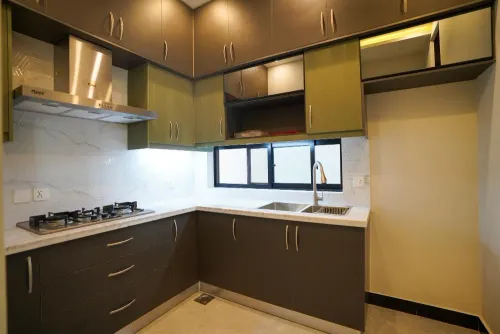
1. Verify hob and chimney clearances, refrigerator and dishwasher openings, microwave ventilation, countertop overhangs, sink drainage, lighting, sockets and every appliance connection. Ask the installer to record meter readings or leakage checks where relevant.
2. Check society or building rules for lift reservations, loading access, permitted working hours, debris removal and protection of corridors, lifts and other common areas in Thane apartments or commercial premises. Put responsibility for delays caused by building-management restrictions in writing.
3. Request the final drawings, material and hardware schedule, appliance cut-outs, care instructions, snagging closure record, warranty terms, service escalation route and invoice. A modular kitchen dealer coordinating third-party hardware or local contractors must identify each party and the escalation route.
4. Obtain future-visit charges before signing: travel, inspection, dismantling and reinstallation must be priced separately where applicable. Confirm which legal entity—the modular kitchen manufacturer in Thane, dealer, factory or subcontractor—handles each warranty claim.
Sign acceptance only when every snag is marked closed, pending with a dated completion commitment, or excluded with a stated reason. Keep this record with photographs; it gives you evidence for service instead of relying on informal calls.
Frequently asked questions
What should installation handover and first-week inspection cover?
Check cabinet alignment, door and drawer operation, countertop joints, edge bands, handles, accessories, appliance cut-outs, plumbing, electrical connections, seals, damage and missing items. Record defects with photographs and dates during the first week.
What warranty and service commitment should you obtain in writing?
Request coverage periods for cabinets, hardware, finishes, countertops and installation, plus exclusions, claim documents, response times, repair or replacement terms and service charges.
Which modular kitchen maintenance and adjustments can you handle yourself?
You can clean surfaces with a soft damp cloth, tighten loose handles and use hinge or drawer adjustment screws for minor alignment. Do not modify electrical wiring, gas connections, plumbing or countertop cut-outs.
How do you separate a manufacturer fault from renovation or building work?
Compare the installation record with the defect, photograph the area and identify whether the problem involves supplied components, installation, walls, flooring, plumbing, electrical work or moisture from the building.
What should you verify before final payment and future service visits?
Confirm the snag list is closed, appliances and services work, keys and documents are handed over, warranty details are recorded, and you receive invoices, drawings, care instructions and service contacts.
Keywords